
Colonial Charleston earned a reputation as one of the least healthy places in the Thirteen Colonies. Malaria was endemic, and families dreaded "country fever" every summer.
The flight to the sea islands.
Wealthy residents developed a seasonal ritual: when the heat and the fevers came, they fled the city, the rice swamps, and the marshy backwaters for the sea islands, where breezes and higher ground offered relief. They did not know yet that mosquitoes carried the disease; they just knew the islands felt safer.
An annual migration.
By the early 1800s this had become an annual migration. Sullivan's Island became one of America's first resorts, and Lowcountry families scattered to summer homes across the barrier islands.
Rockville's summer houses.
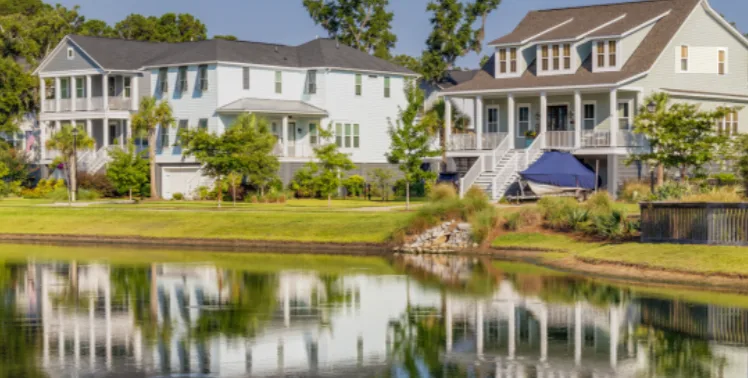
On Wadmalaw, the little historic district of Rockville is full of antebellum and Victorian summer houses with deep porches, built by planters and Charleston families escaping the oppressive heat. Lowcountry island architecture was shaped by these summer retreats: breezy porches, raised rooms, and shade as a way of life.
The tradition lives on. Johns Island, Wadmalaw, and Kiawah are still where Charleston comes to breathe in the summer, just as it has for generations.