The island's story, told straight.
Johns Island is the Lowcountry's largest sea island, and it has carried a lot of history on those 84 square miles: native gathering grounds, colonial plantations, centuries of farming, a 400-year-old oak, and a community that stayed rural long after the bridges went up.
The Lowcountry's largest sea island.
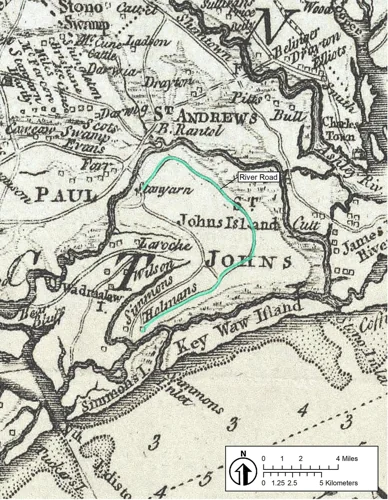
Before Europeans arrived, the island was home to native peoples including the Kiawah, Stono, Bohicket and Coosaw, and the ground around the Angel Oak shows signs of gathering that date back thousands of years. The island's name comes from St. John Parish in Barbados, home of its first English settlers. By the late 1600s, land grants went to families whose names still dot the island: Stanyarnes, Godfreys, Mathews, Fenwicks and Holmes.
The brick plantation house on the Stono.
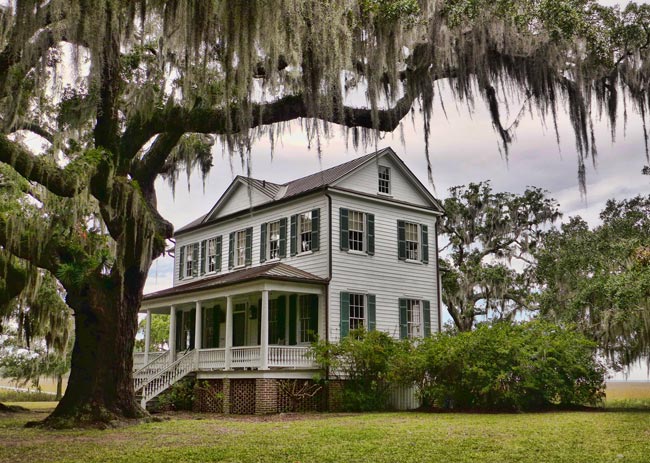
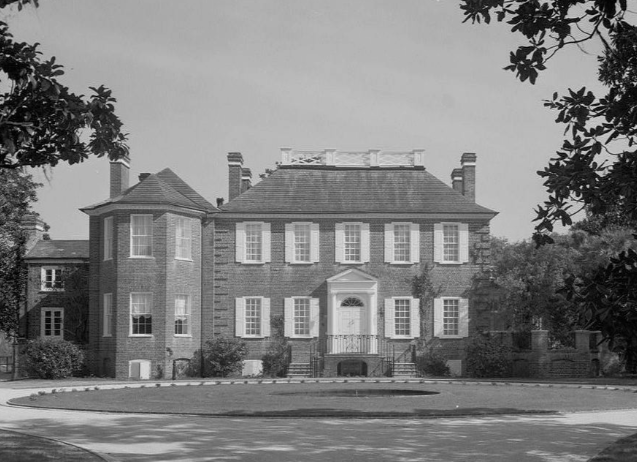
Fenwick Hall is an early Georgian two-story brick plantation house on the Stono River, between River Road and Penneys Creek and across from James Island. Built around 1730, it takes its name from John Fenwick, pronounced "Fennick," an English transplant who arrived in Carolina in 1703.
Listed on the National Register of Historic Places in 1972, it is counted among the finest surviving 18th-century brick plantation houses in the Lowcountry, with its wood paneling and a long oak allee still intact. During the Civil War the house served as a field hospital for both Confederate and Union forces, a role that likely saved it from destruction.
In the late 20th century the property operated as a hospital, first as Fenwick Hospital or Fenwick Hall Hospital, then as Charter Hospital, a psychiatric facility. That chapter is why many locals remember Fenwick Hall as a "mental institute." By the late 1990s it was a private treatment facility for drug and alcohol addiction.
Today the manor house is privately owned, and much of the former plantation land has been developed into homes, including the nearby Preserve at Fenwick Plantation neighborhood. For the full history of the house, visit fenwickhall.com .
St. John's Parish and the island's churches.
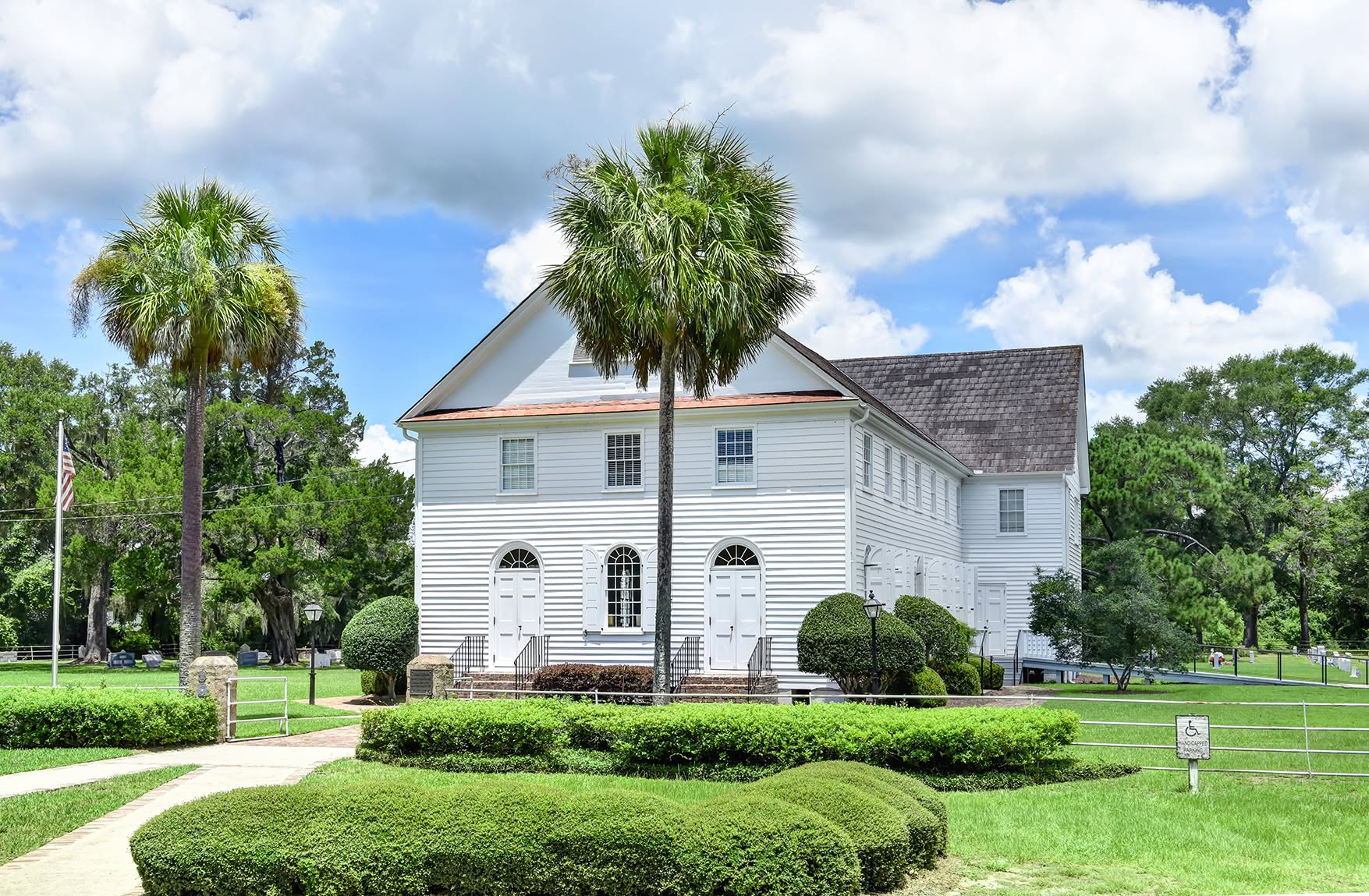
The South Carolina legislature established the parish of St. John's Colleton in 1734, carved from St. Paul's Parish and covering Johns, Wadmalaw, Edisto, Seabrook and Kiawah islands. The first parish church went up by 1742; a second was built in 1817 and burned in 1864 during the Civil War. The current St. John's Episcopal Church dates to the 1950s. The colonial economy, built on rice, indigo and Sea Island cotton, brought great wealth to the parish and was built largely on enslaved labor, a history the island carries honestly.
The last rural community of the Lowcountry.
Johns Island has been described, more than once, as the Lowcountry's last rural community. The phrase is deserved: the island remained rural through the nineteenth and well into the twentieth century, even after a bridge linked it to Charleston in 1921. Its River Road corridor holds one of the most intact agricultural landscapes in the Charleston region, with working farms like Legare Farms (established in 1725) still growing. Tomatoes and truck vegetables made the island's name, and the farms are why the island still looks like the island.
The farming heritage came with a deep civic history. In the 1950s and 1960s the island was a center of civil rights organizing through the Progressive Club, which built schools and cooperatives. Today the working farms, the Saturday market and the farm stands along the main roads carry that tradition forward, feeding Charleston and keeping the island's character intact.
From the island's history.
Longer stories from the island's past: how the Lowcountry's oldest names reached us, the summer-house tradition that built Rockville, and the landmarks that still stand.
2026-11-12
Where the Island Names Came From
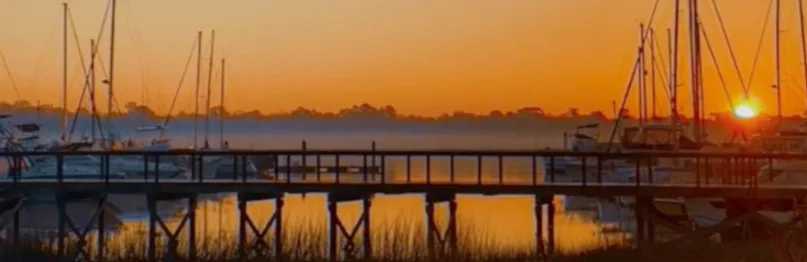
Kiawah, Edisto and Wadmalaw are all Native American names, and all three trace back to the Cusabo peoples of the Lowcountry coast.
Read the story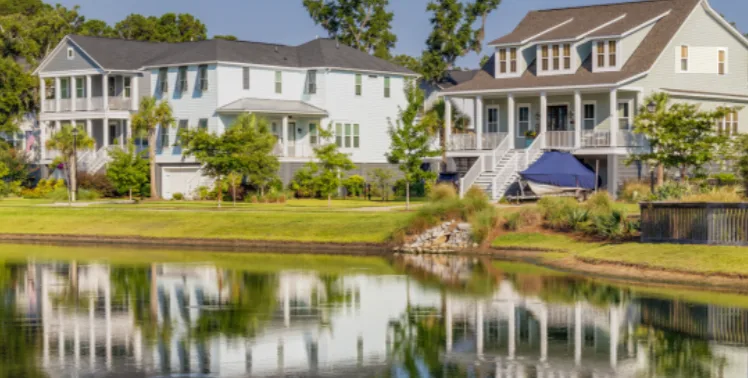
2026-11-12
Escaping the Fever: The Summer-Home Tradition on Johns Island and Wadmalaw
When the Lowcountry heat and fevers arrived, Charleston families fled to the sea islands, a summer tradition that shaped island architecture and still lives on.
Read the story 2026-11-13
The Bailey House of Rockville
Built in 1853 at the southern end of Wadmalaw Island, the Edward D. Bailey House is considered the finest home in the summer village of Rockville, and it still stands today.
Read the storyWho represents the island.
From Washington to Charleston, here are the leaders who carry Johns Island's interests into City Hall today. We will keep this civic list current as the area's seats change.
Jim McBride
Jim McBride represents Johns Island on Charleston City Council. His District 3 seat covers Johns Island and part of James Island, and he was elected in November 2023. A retired U.S. Marine Corps lieutenant colonel who has called the island home since 2021, he has taken up local priorities like traffic on Maybank Highway, hurricane preparation and stewardship of the island's growth. Follow his work at votejimmcbride.com .
votejimmcbride.comWho represents Johns Island
Johns Island sits across several districts. Here's who represents the island at each level of government, with their published contact information.
William Cogswell
Mayor · City of Charleston
Citywide executive.
Jim McBride
City Council · District 3
Represents Johns Island and part of James Island on Charleston City Council. Featured in full above.
Joe Boykin
County Council · District 8
Current chair of Charleston County Council; term through December 31, 2026.
District 8 covers Johns Island and much of western Charleston County: Wadmalaw, Edisto and Yonges islands, Hollywood, Ravenel and Meggett.
Note: Charles Glover won the District 8 seat in the November 3, 2026 election and takes office in January 2027. Contact details are not yet published.
Matt Leber
RState Senate · District 41
A Johns Island resident; serves Charleston, Colleton and Dorchester counties.
Margie Bright Matthews
DState Senate · District 45
Covers part of Johns Island.
Spencer Wetmore
DState House · District 115
Current officeholder. Covers Kiawah, Seabrook and parts of James and Johns islands.
Note: Nick Uricchio won the seat on November 3, 2026 and takes office in January 2027.
James Teeple
RState House · District 116
Current officeholder. Covers Johns Island to Edisto.
Note: Clay Middleton won the seat on November 3, 2026 and takes office in January 2027.
Nancy Mace
RU.S. House of Representatives · District 1
Current officeholder.
Note: Nancy Lacore won the seat on November 3, 2026 and takes office in January 2027.